
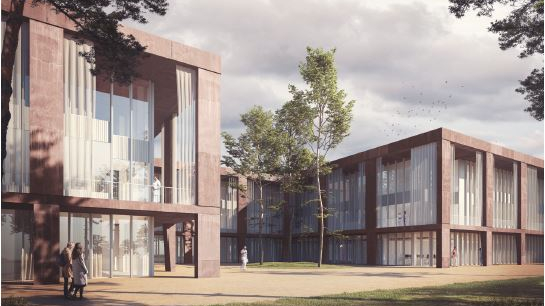
On December 2, 2024, the new VHIR Research Building, located in the Vall d'Hebron Hospital complex, Barcelona, was officially inaugurated.
The event was chaired by the President of the Generalitat de Catalunya, Salvador Illa; the Minister of Research and Universities, Núria Montserrat; and the Minister of Health, Olga Pané; among other authorities and members of the VHIR Research Institute Foundation.
The building was designed by Catalan architects BAAS Arquitectura and Espinet / Ubach, who also managed the works, and the joint venture formed by AT3 Servicios de Arquitectura e Ingeniería - Virginia Otal and Vidal Garcia, who were responsible for the execution of the works, which began in July 2021 and were completed in July 2024.
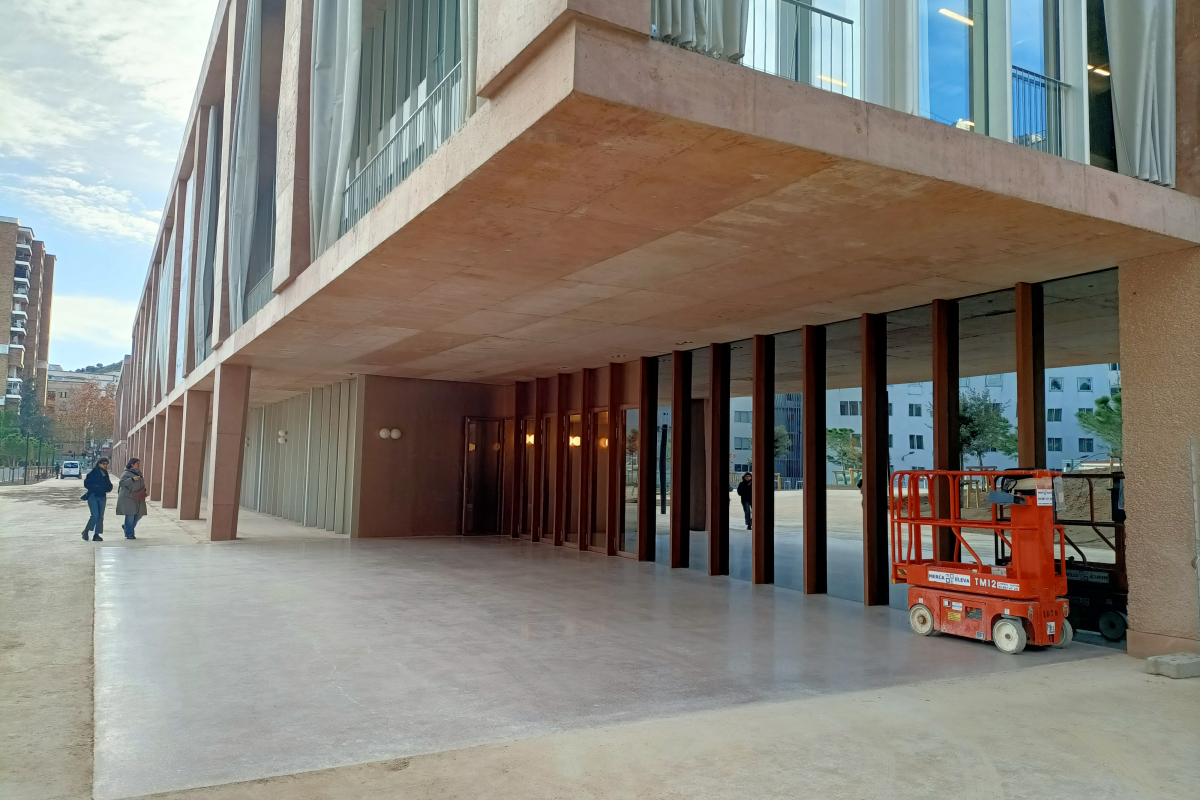
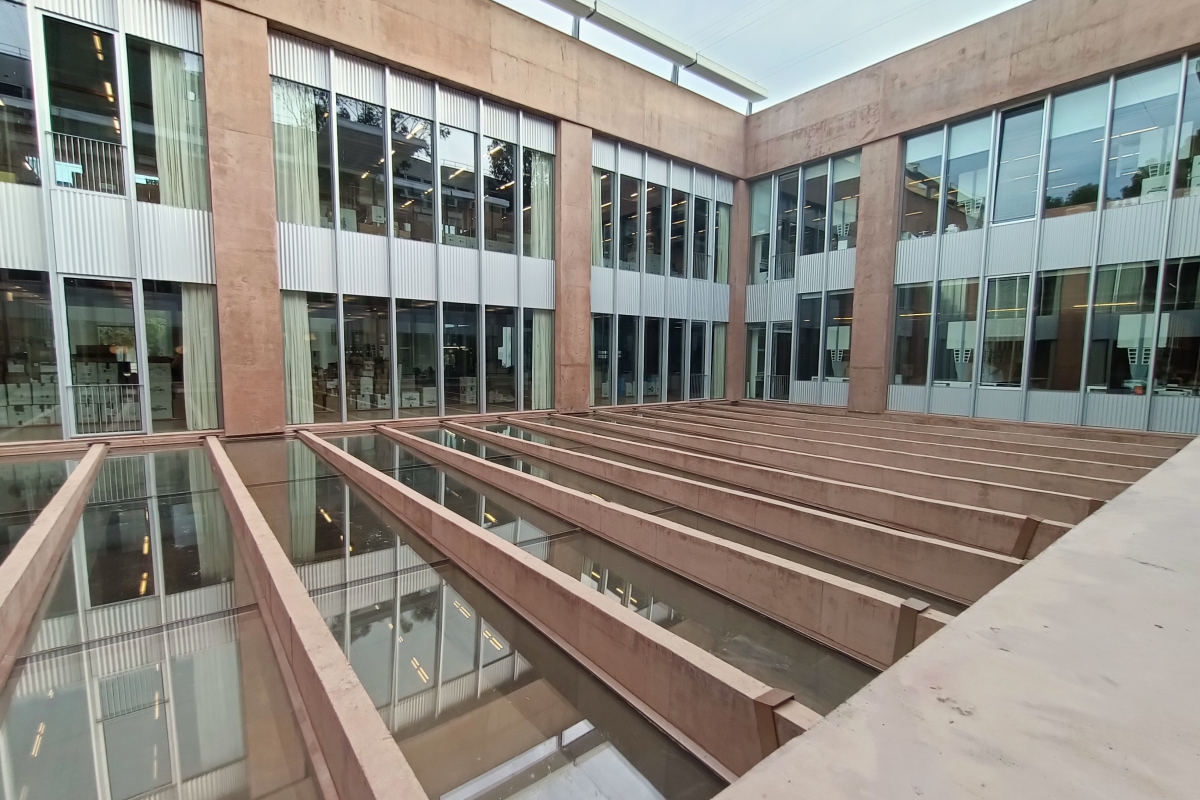
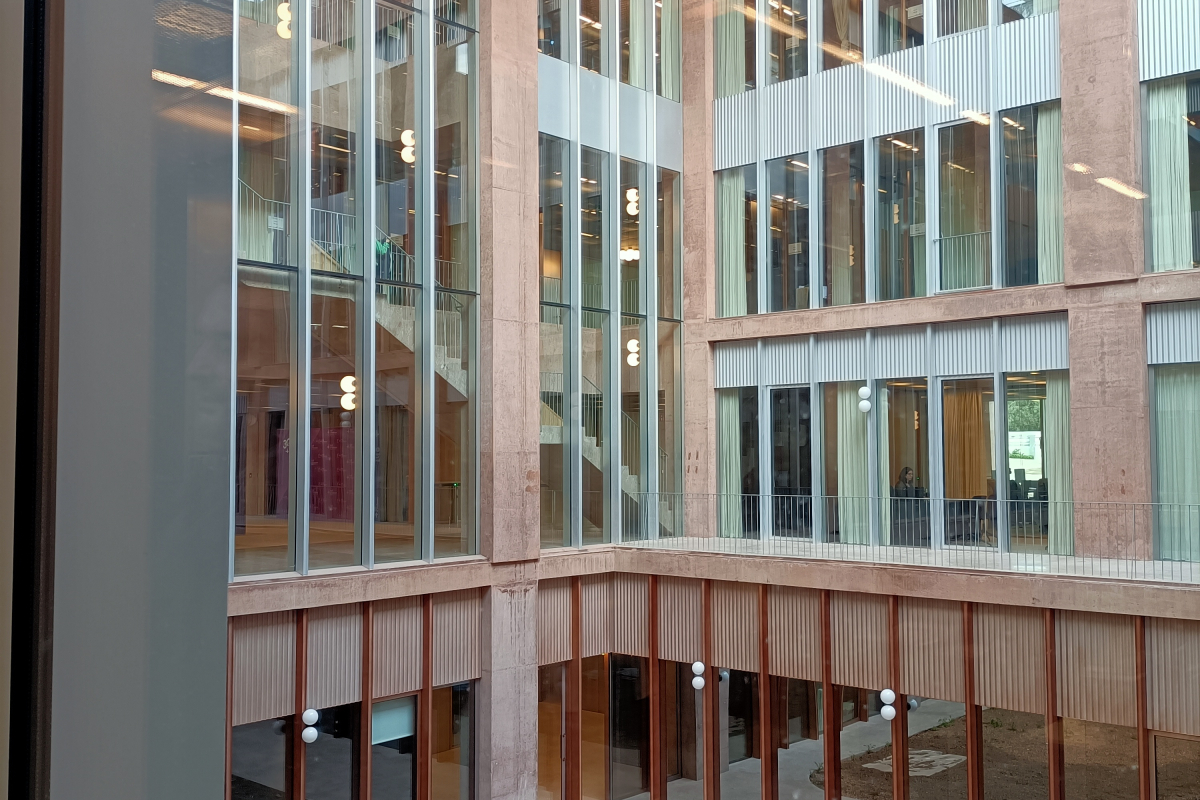
From an architectural point of view, the building is located on the mountain and ventilates through the patios, favouring air currents that push the hot air outwards and helping to temper the interior spaces. The landscaped roof extends the surrounding garden and protects the building like a cold blanket in summer, thanks to the low temperature of the earth. In winter, the thermal inertia of the land allows a constant temperature to be maintained for much longer thanks to the earth's ability to accumulate heat.
These passive systems reduce energy demand and the environmental impact on the environment. The green roof and ventilation through the courtyards also help reduce the heat block effect, preventing the structure from overheating and reducing the building's active requirements.
The building is made up of three floors above ground level (ground floor +2) and one floor below ground level, all of which are used for laboratories and research spaces. The total surface area is 16,792 m2, distributed as follows:
· Floor -1: Scientific and technical support (5,435 m2). This space will house the cyclotron, which will occupy an area of 810 m2, and the advanced therapies centre, which has been allocated 207 m2
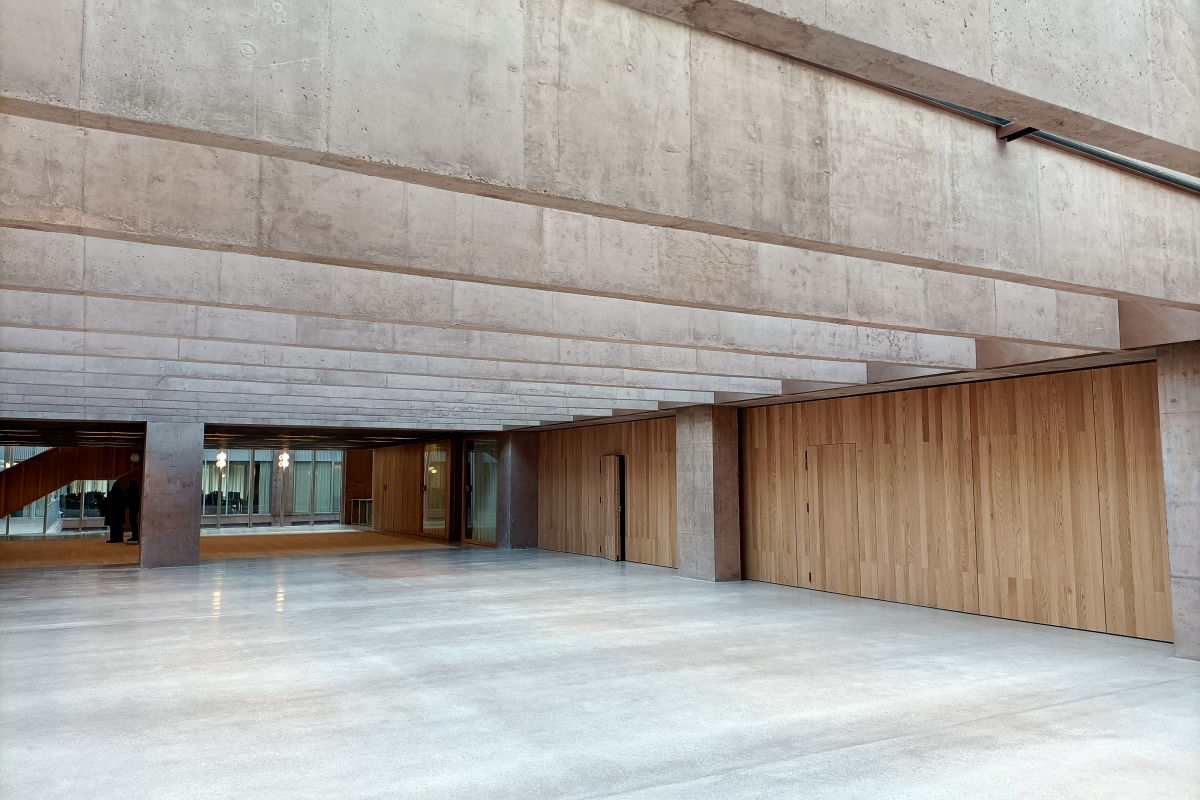
· Floor 0: Reception, Administration, Assembly Hall (3,576 m2)
· Floors 1 and 2: Research laboratories (5,569 m2)
· Innovation area/reserve space (2,212 m2)
It is expected to house around 600 researchers and have the infrastructure for the 2,000 people who make up the VHIR, including research staff, research support staff, and administrative, maintenance and service staff. In addition, it will house a cyclotron that will allow the development of new personalized diagnostic and treatment tools based on radioisotopes and the latest technology in the field of advanced therapies, especially gene therapy.